Experience: Minimalism as a Maker
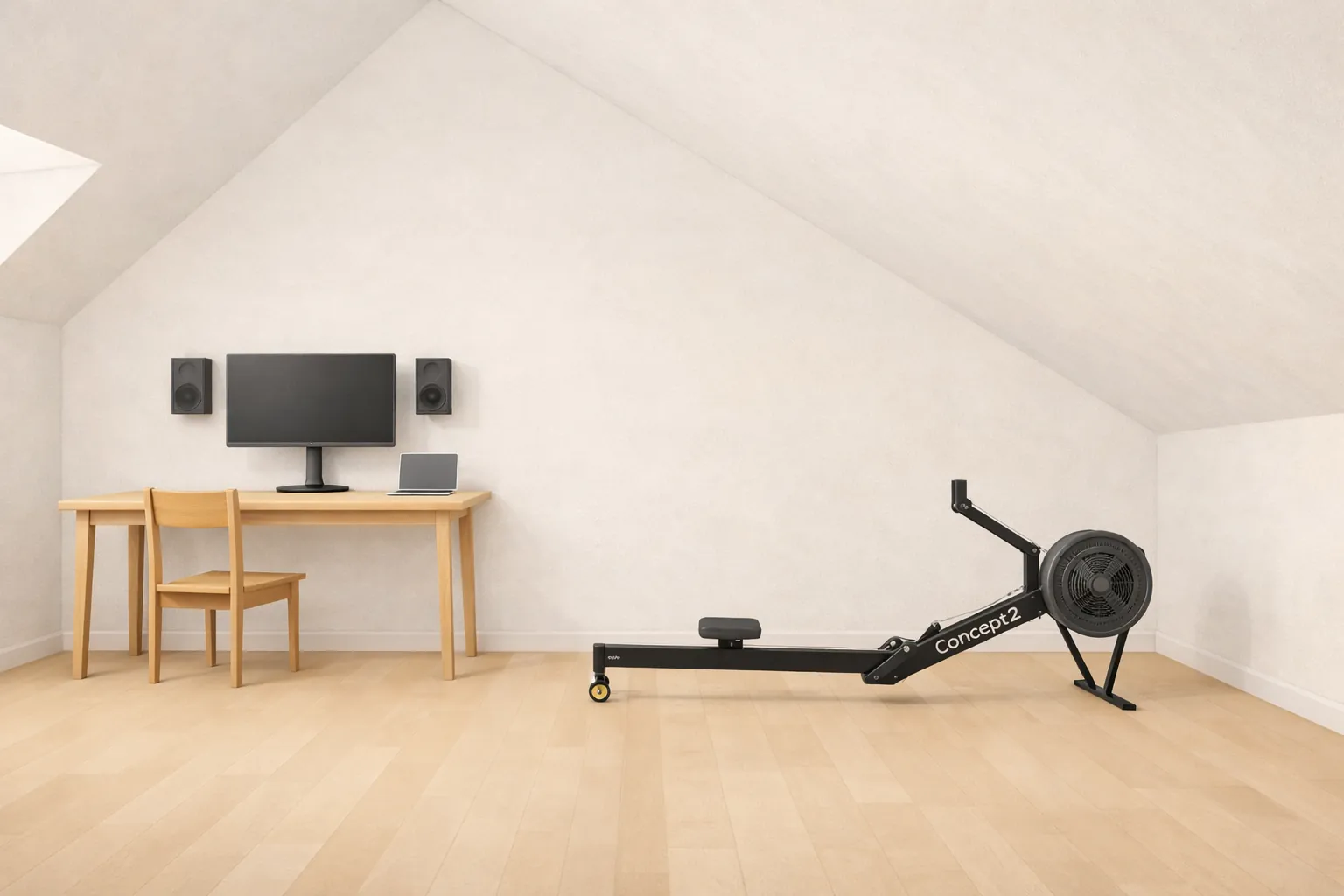
- Main point is not decluttering but improving focus and intention in life
- My journey: from hoarding DIYer down to 2 spoons in the drawer
- Benefits and caveats: e.g. new apartment without moving but also psychological impact
- Practical methods and mindsets: from the box method(s) to future self
What is Minimalism?#
I define it as:
Have only what is essential for your target identity to live with more purpose, freedom, and force.
What it's not#
- A one-time purge - but a lifestyle.
- Owning as little as possible for its own sake.
- Organisation: optimising clutter.
- Frugality: spend less.
- Deprivation: do without.
So the oppositive is not abundance, but rather excess without purpose (for you). Meaning e.g. jogging is not "more minimalist" than skiing, even though skiing requires much more gear. What matters is whether something is essential for your target identity.
Why It Matters#
- Modern life wants us to consume and overloads us with products, trends and experiences to try.
- This costs time, money, and focus for things that matter to you - up front and ongoing.
- For example, through storage, maintenance, cleaning, clutter, organisation, decisions, guilt...
Many people spent 2h to "save 2€" - minimalism can save you both the all the money and time. And even an inherited (free) guitar even while not played still costs focus.
Core Principles#
- Essential and enough.
- Space as value.
- Quality over quantity.
- Future over past self.
My Story#
Trigger (2010-2017)#
- First larger hobby budget for electronics and DIY projects.
- More tools, parts, and know-how felt like independence and control.
I don't regret the knowledge I aquired, but I lost freedom and control.
Trigger (2018-2023)#
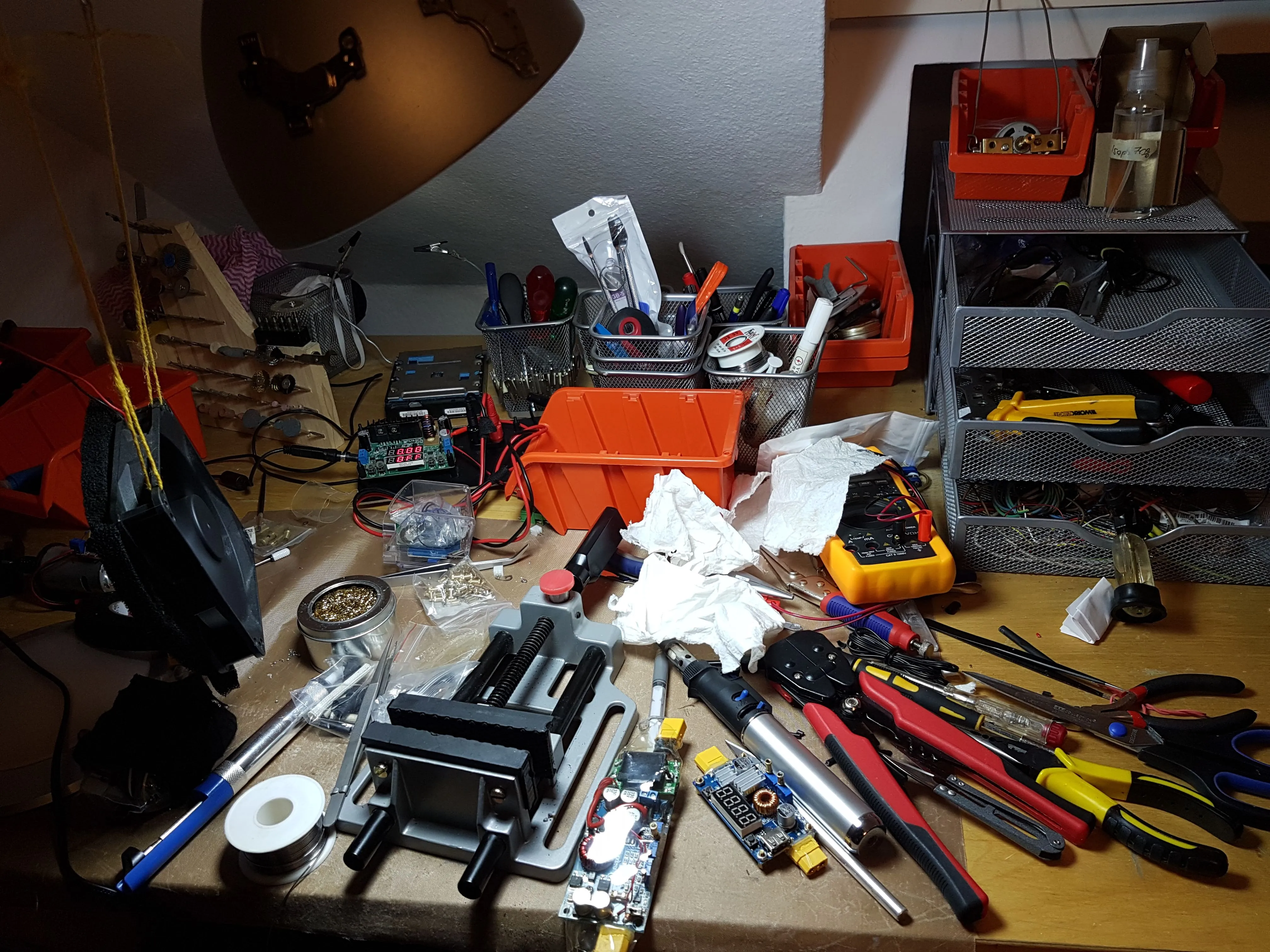
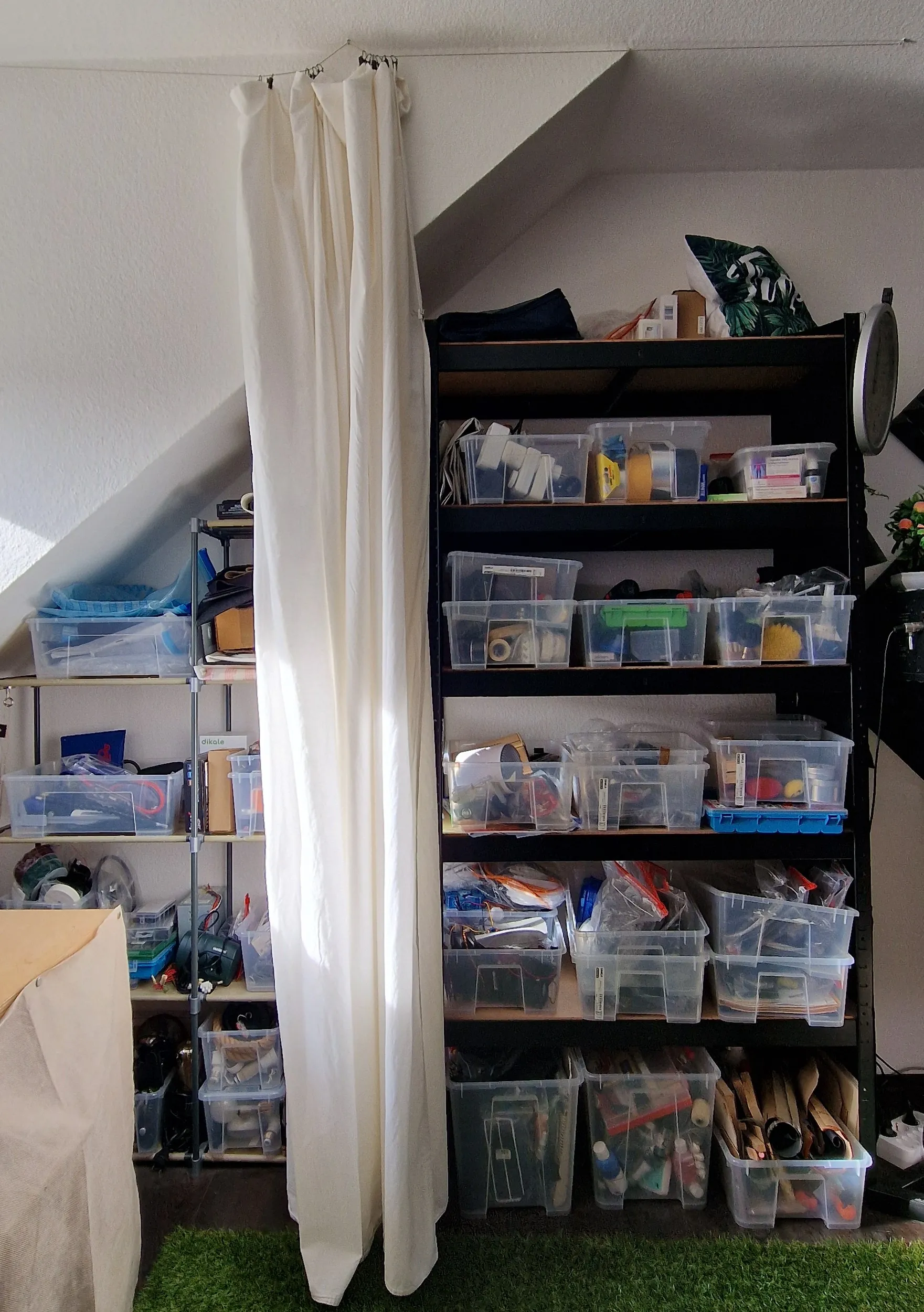
- Boxes were overflowing - sorting new things into old clutter got hard.
- Keeping everything usable felt like it cost 1-2h every weekend in organisation and maintenance.
- Uncanny feeling of the stuff in the room exerting pressure, making it hard to breathe.
Visitors gasped at the sight.
Trigger (2024)#
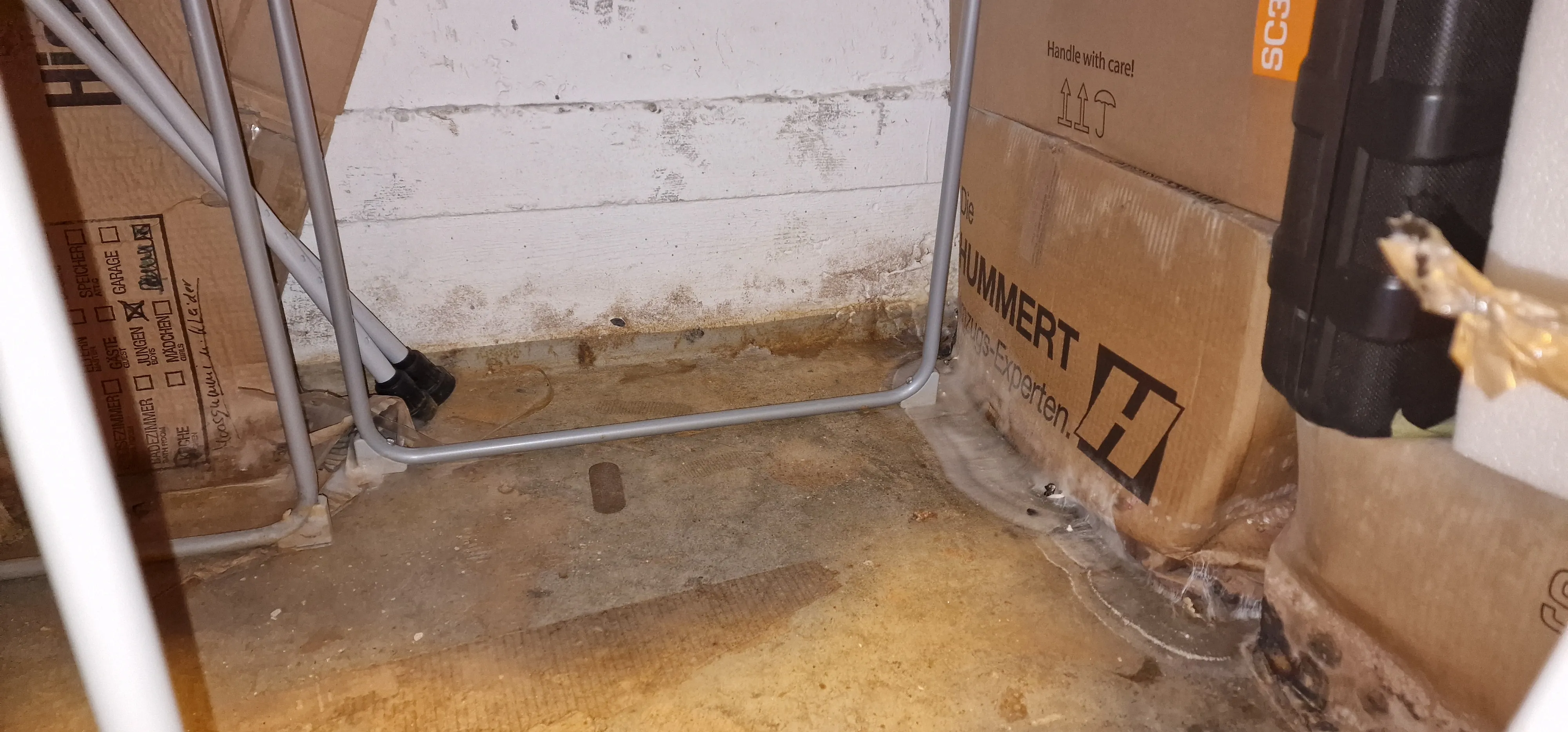
- Cellar flooding destroyed a lot of "might still need it later" stock.
- The cleanup felt like wasted time before things could be replaced.
Only later did I realize this was a blessing and in fact an effective decluttering method, not a curse.
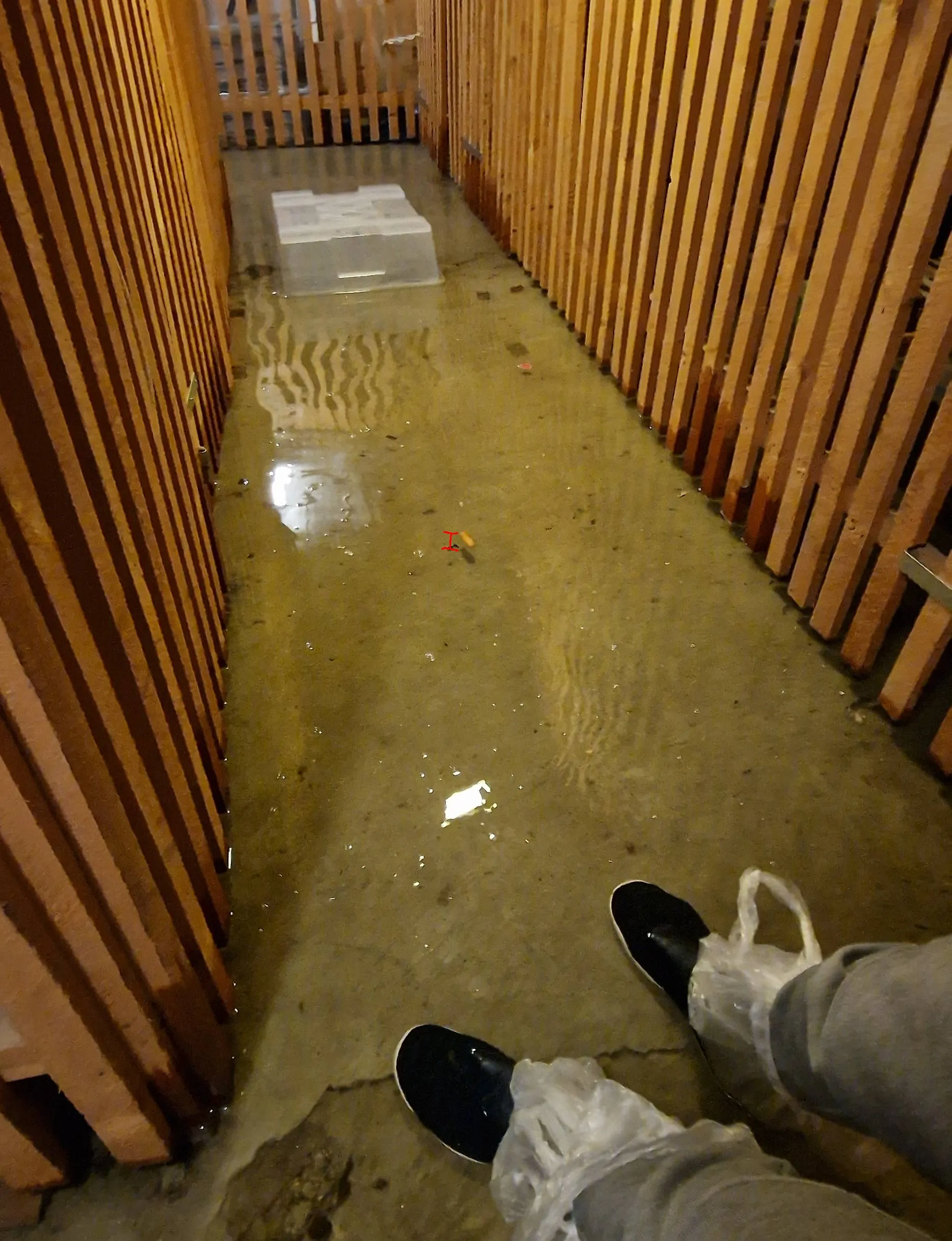
In the end, none of it had to be replaced.
Freeing up a whole small room.
So what if I kept going?
The Purge#
Process: "Identity decluttering"#
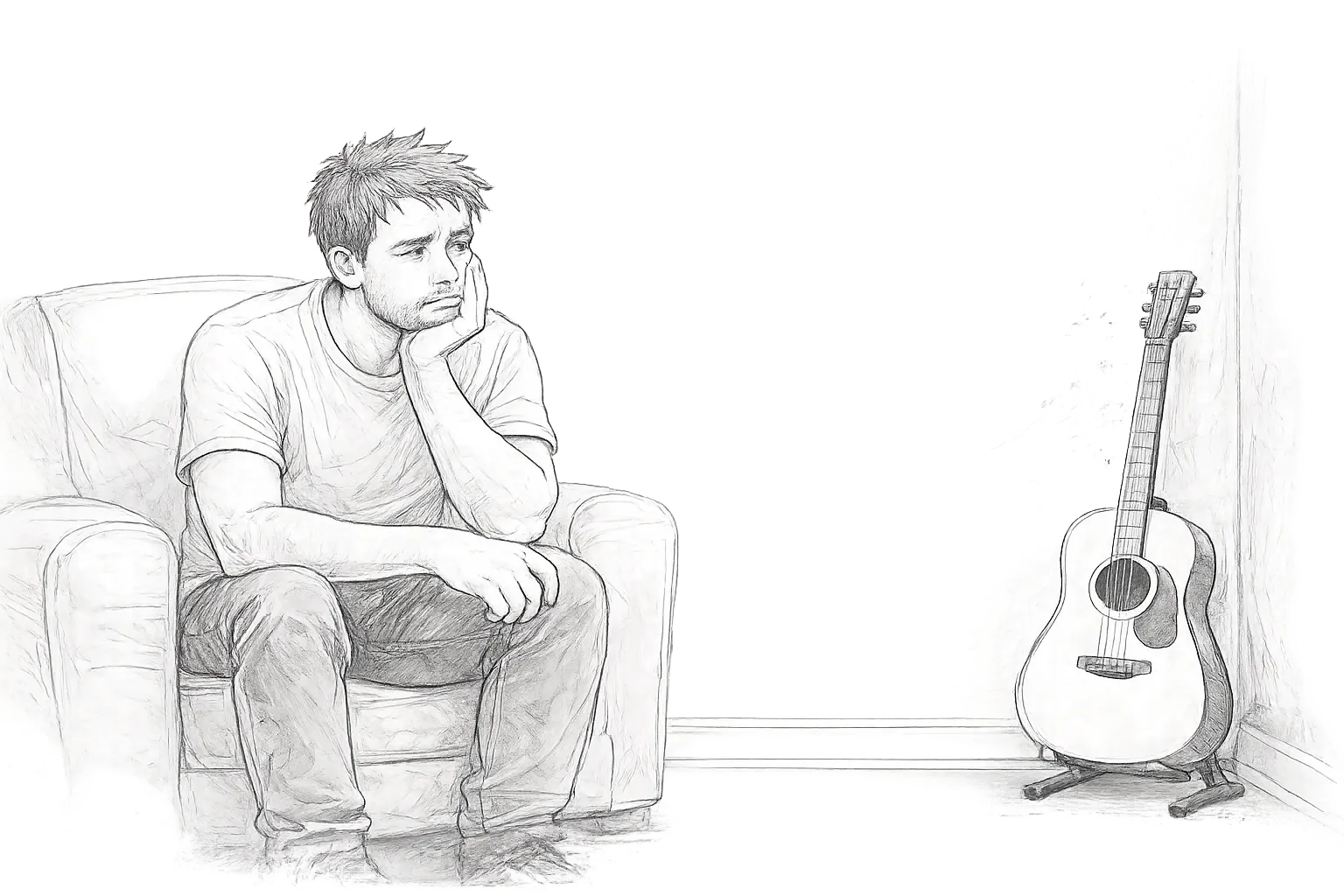
Decluttering e.g. via KonMari "Does it bring joy?" helped me understand how I felt about the activities behind things and thus in return declutter my identity.
After decluttering my leatherworking tools and materials, I realized it was just a phase - or at least nothing I wanted to have as part of my core identity.
Process: Iterations#
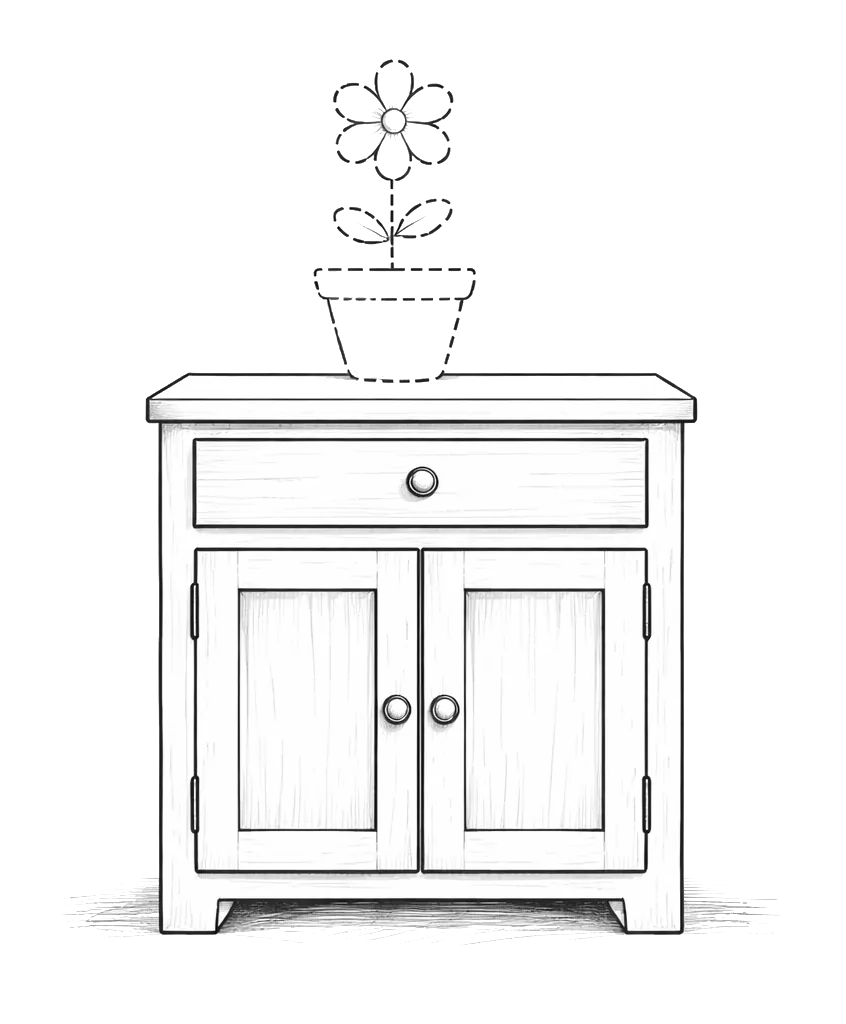
Needed multiple passes through all things while letting a new baseline settle and putting things on trial in boxes.
A newly decluttered space looks clean a first - but once everything has been decluttered to the same standards you might perceive a new mess behind the original mess.
Process: Exhausting#
Especially sentimental items left me mentally beat, depressed and indecisive for the day after only 2-3h. (psychological principl: "loss aversion")
Decluttering childhood items felt like loosing a limb.

Process: Addictive#
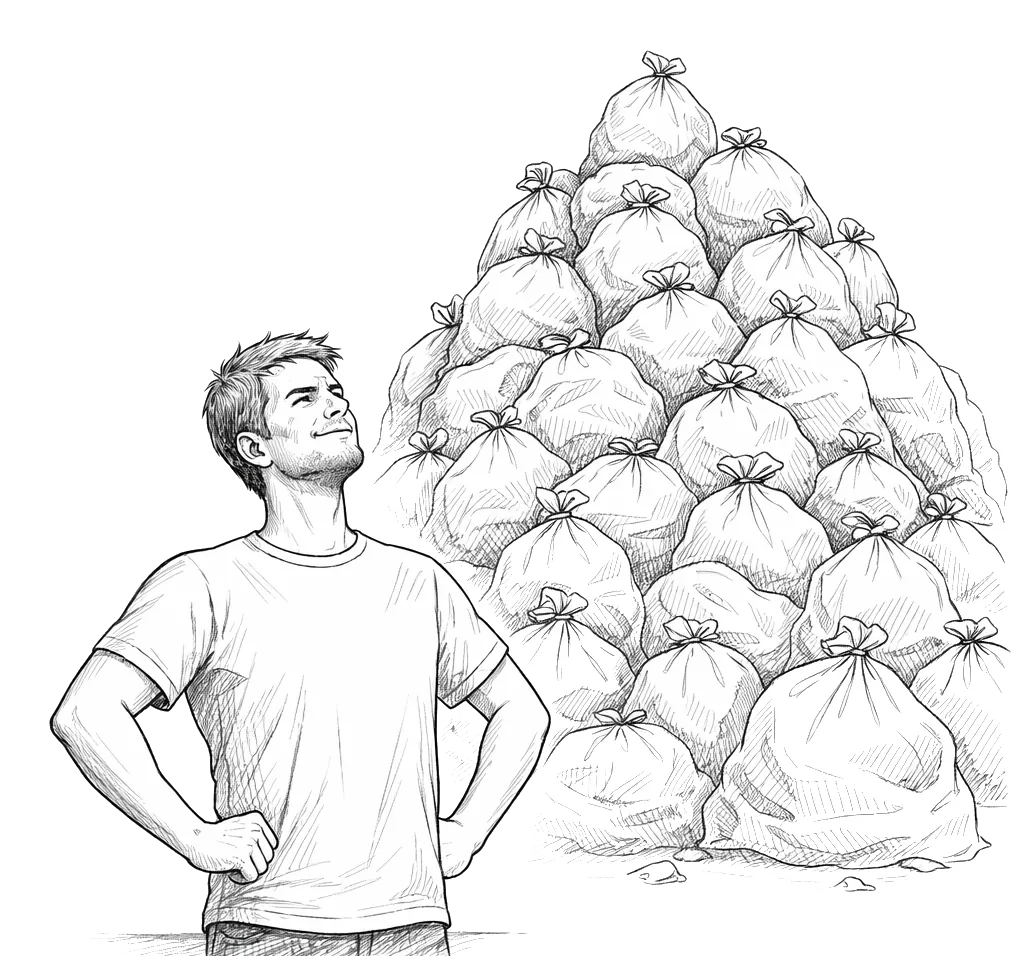
With every trash bag closed up, letting go became easier and satisfaction about optimization grew.
Process: Mistakes#
Needed to replace ~50 EUR, some items even days after tossing them - still gained valuable insights.
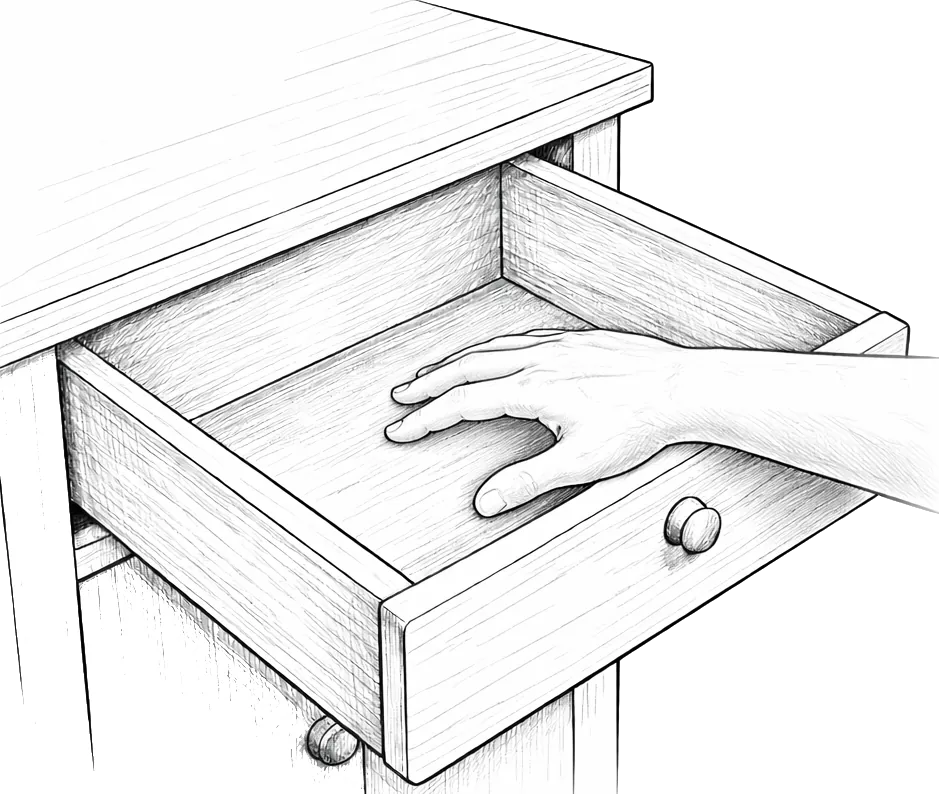
Outcomes: Space#
- No need for larger flat and more freedom to re-arrange room.
- More freedom to reserve space for habits.
Felt like I moved to a new flat.
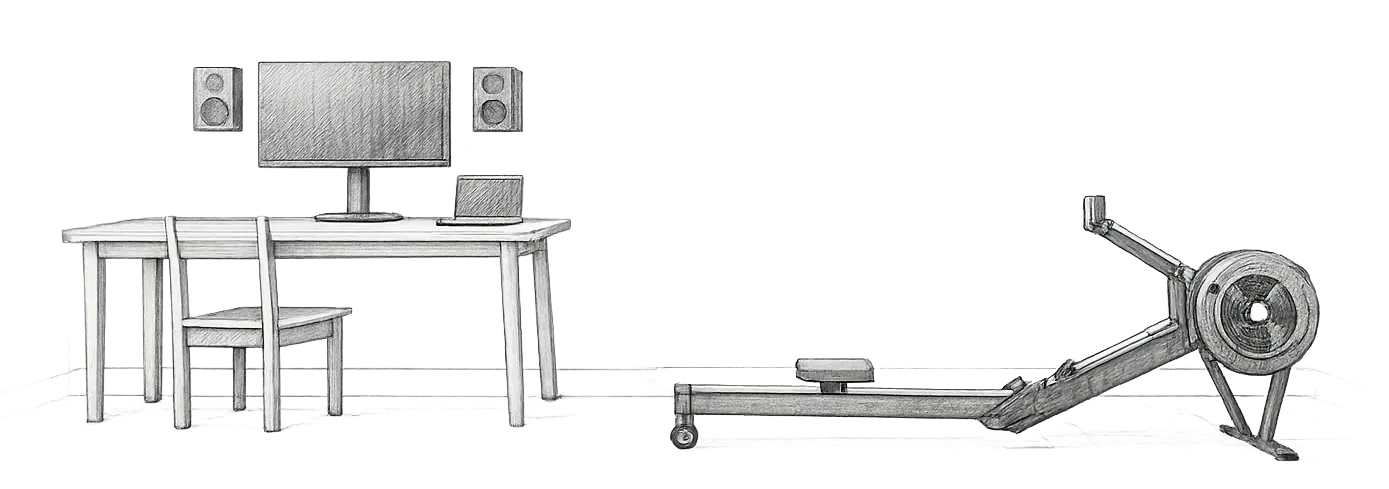
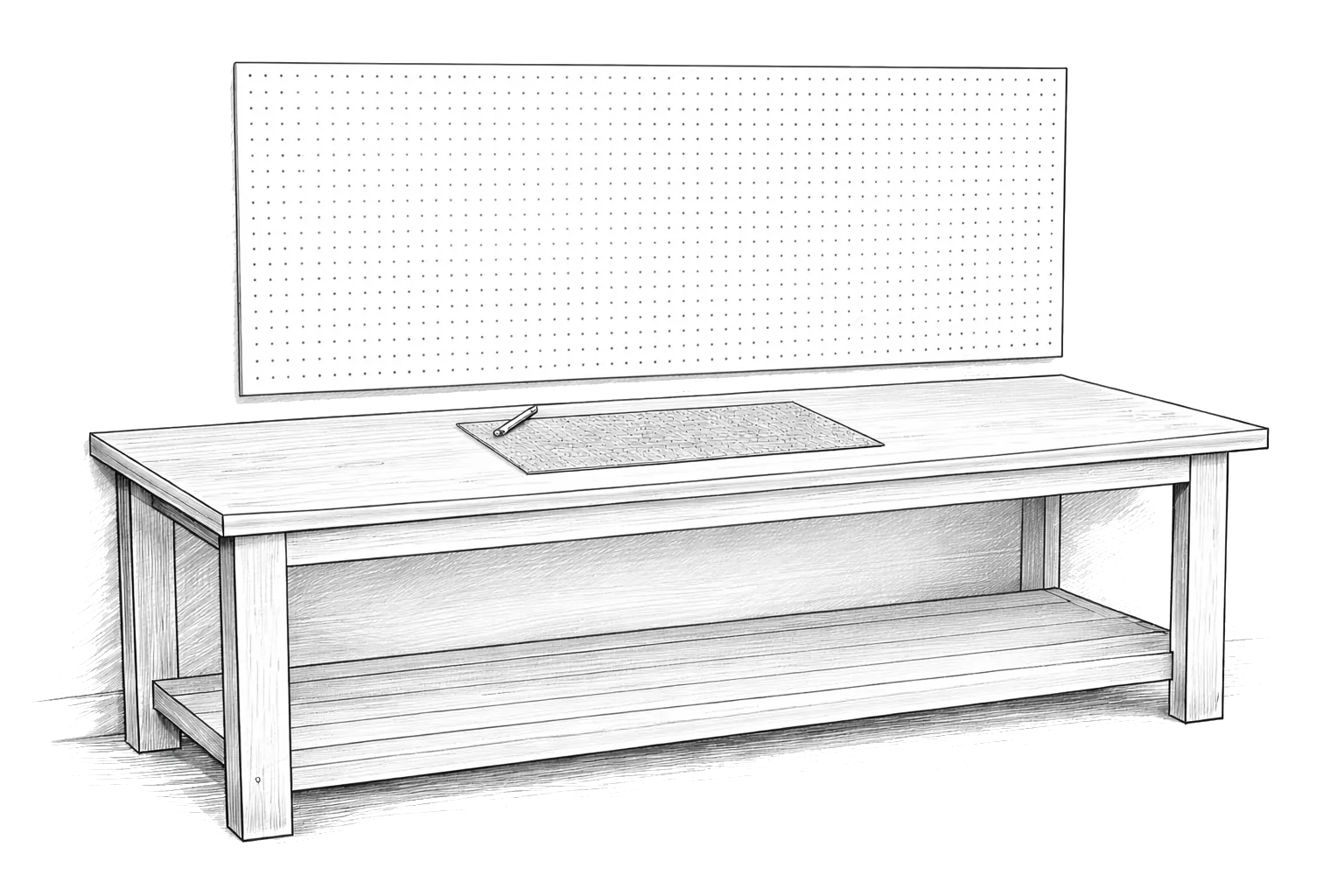
Outcomes: Optimized creator flows#
- Traded massive stockpiles "bought at discount and cheap slow shipping" for faster access to higher-quality, purpose-bought items at a slight premium.
- Weekends can go to projects instead of maintenance.
Outcomes: stronger life#
- Feeling more alive and in control by spending more time with intent, purpose and together with loved ones.
- Increase hapiness / reduced envy and greed through clearer identity, what's enough and understanding hidden costs.
It's not that you get a better grip on envy and greed - they fundementally stop making sense even for desirable things once you understanding the hidden consts in everything.
How to Practice It#
Identity: What you want to do?#
Open up to a new target self first. Not through what you already have but:
- Hobbies
- Habits
- Profession
- Relationships
This though takes time, exploration, and iteration.
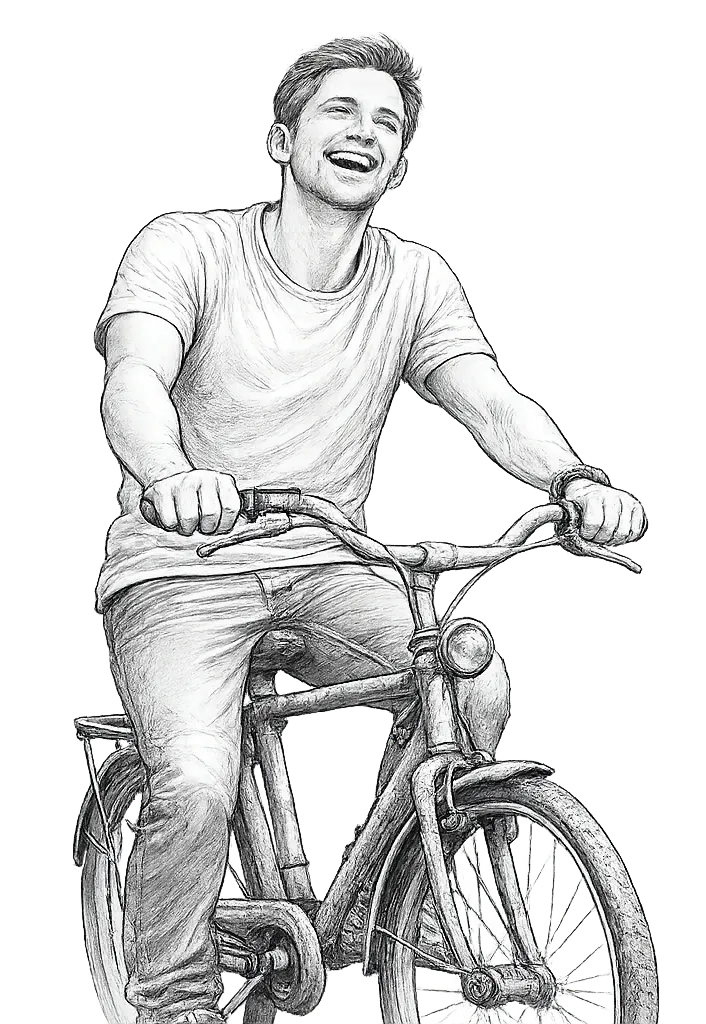
If you cycle 20h/week on a shitty bike, you're a serious cyclist. A wannabe only spents 30min on an expensive one.
Decluttering: General#
- Declutter by type (e.g. all kids toys), not by area.
- Because e.g. unless you want scissors in every room, rather collect them all in store a good pair centrally.
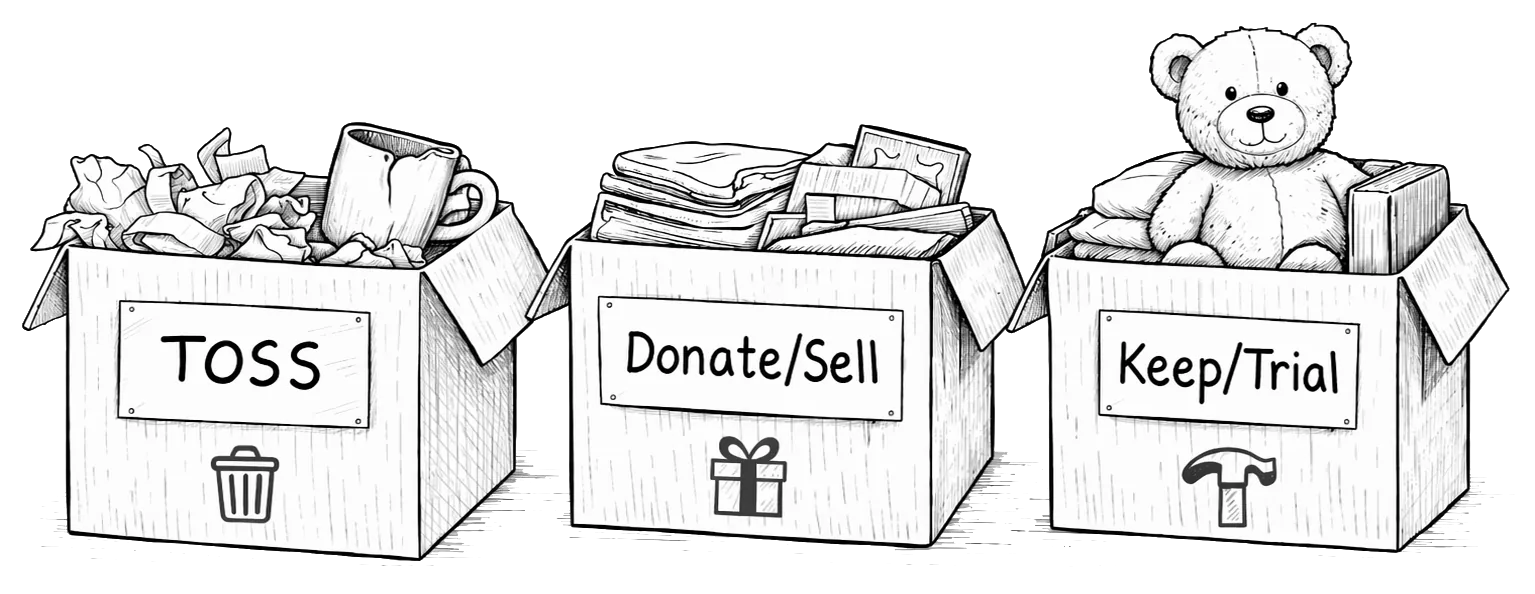
- Touch things only once, and sort into: toss, donate(5-20€)/sell (>20€), keep/trial.
- Visible wins and prevent 2nd guesses: things need to leave quickly and often.
Decluttering: Filters#
Assume things are not essential by default - meaning everything an explicit reason to stay rathan than leave.
- Would you clean it if filthy/buy it again?
Critically, for me the answer to all my moldy stuff in the basement was "no".
Not: "Why can this go?",but: "Why should this stay?"Not: "When could I need it?", but: "When did I last use it?"-
Estimating future need is hard, but looking back at actual (non-)usage nudge uncertainty through facts.
-
Does it have a place you would intuitively look for it? Would you remember having it when needed?
-
This illustrates how everything in your life can degrade the value of everything else: even if useful, if you can't remember a thing or option you have in the moment of need - it might as well not exist.
-
Does it bring joy?
Looking back, I was puzzled but the amount of items I was holding onto that made me feel annoyed just thinking about them. At the very least, this is a clear indicator that investing into a fix will likely noticably improve your life quality. Cause directly increasing hapiness is hard to achieve reliably - but decreasing detrimental factors can often be done targeted.
Decluttering: Box Method#
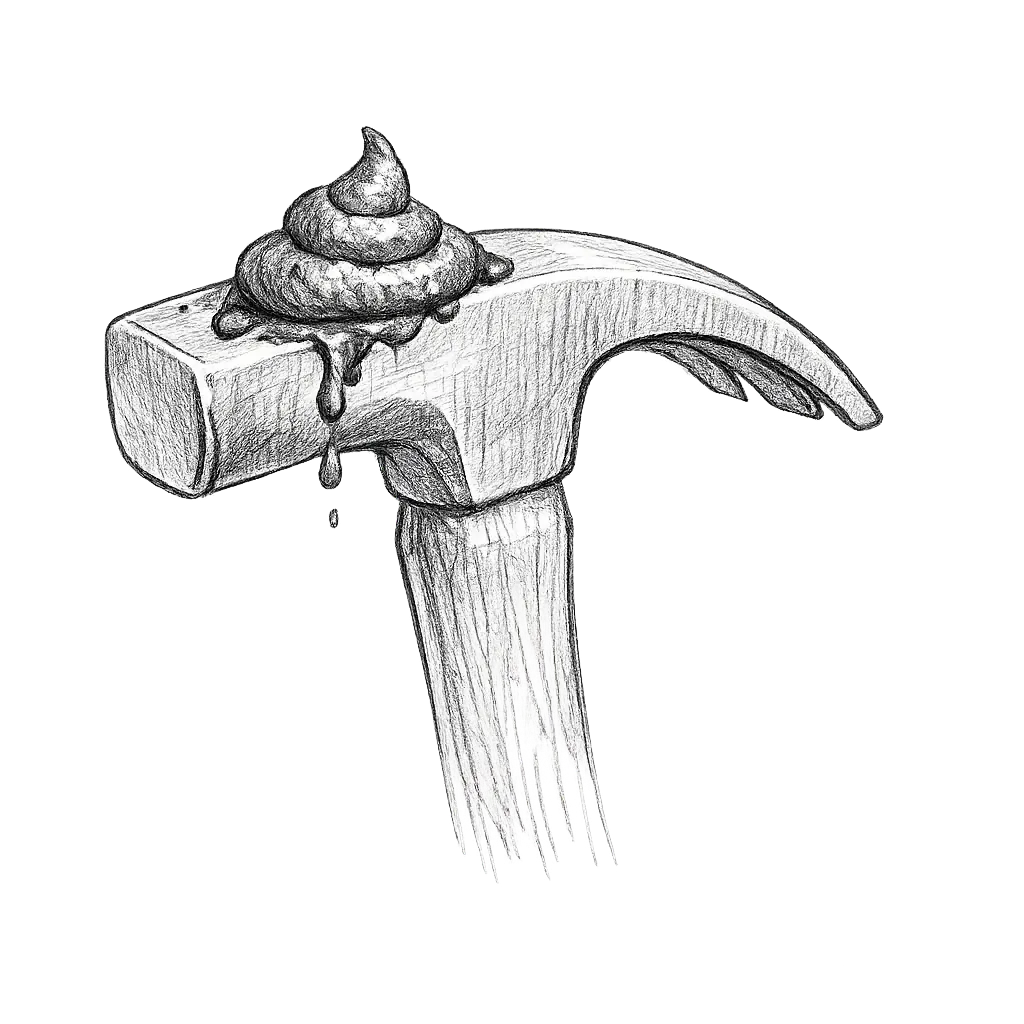
- Empty the container first and put back only what deserves to stay.
- If unsure: store it out of sight in the box. → Let go if still there after 6 months, or 12 for seasonal items.
Decluttering: Radical Reset#
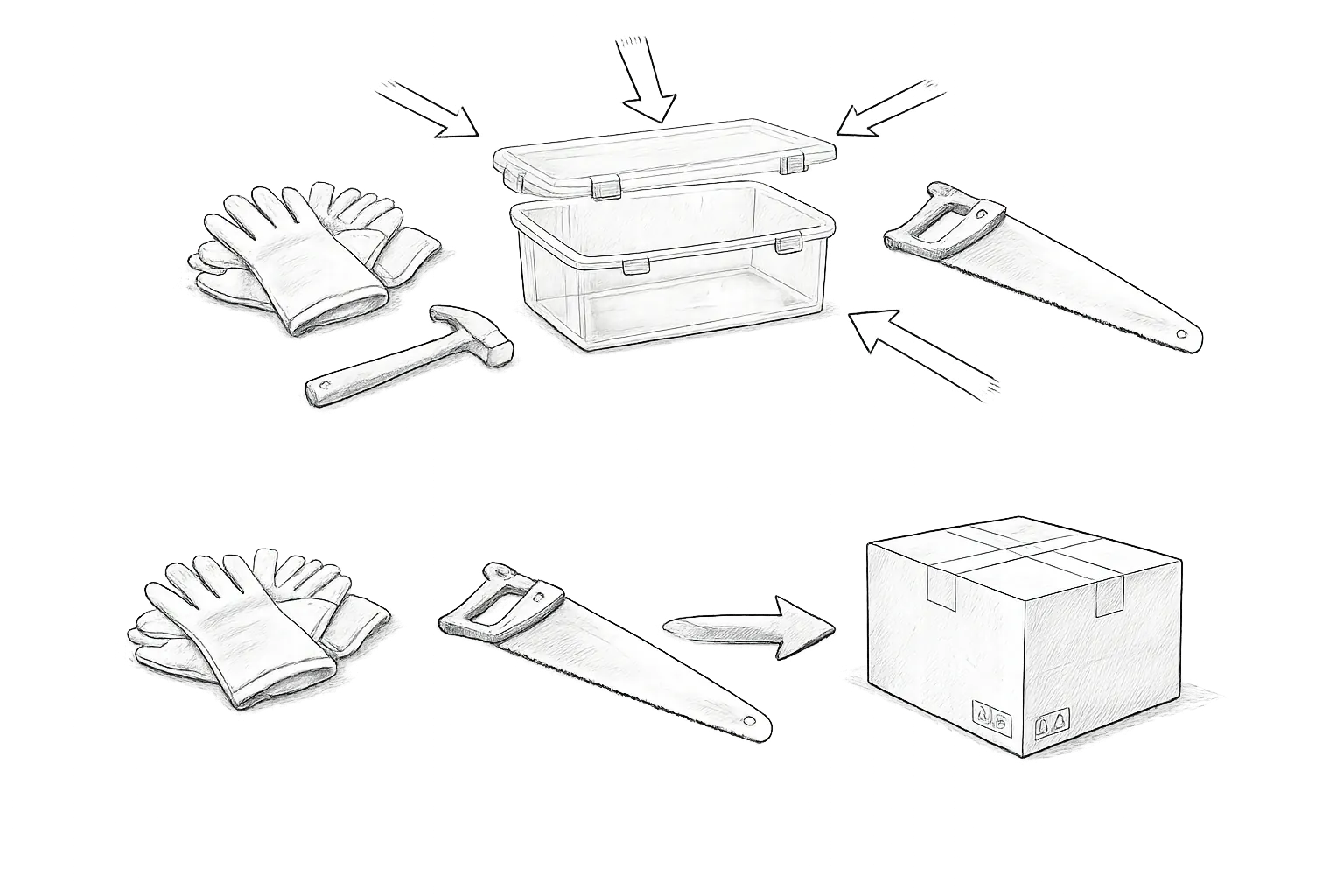
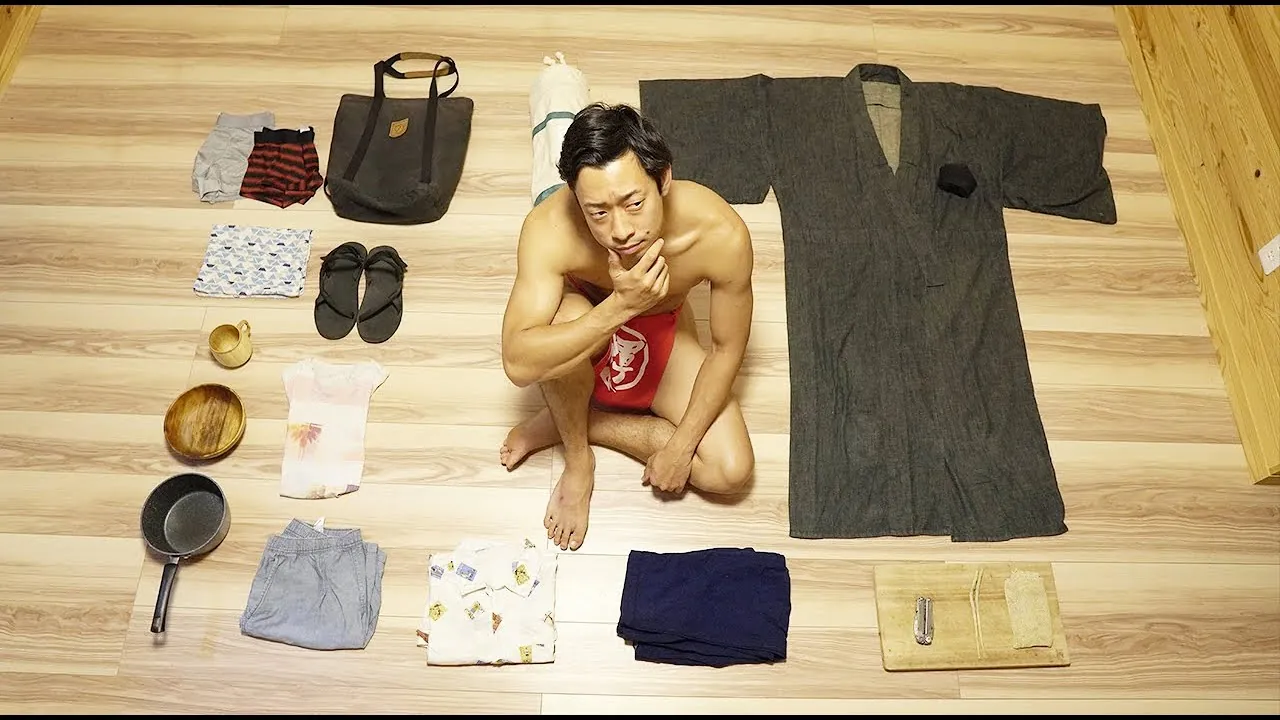
If you have be necessary staging space or guts, there's a fast track: Put everything away (e.g. in storage container) and bring only back what you need.
Decluttering: Make and Repair#
- Stock only what serves many projects (e.g. common fasteners) - anything special you'll buy customised for projects anyway
- Especially true for salvaged parts in degraded quality
- Stock bought at 90% discount is still wasted if never used
- Half the stock of a category if not used for 6 months
- Repairs should be fun or needed for critical usecases, e.g. medical device
Turns out many repairs are not time critical after all or in the end require special parts anyways. And you better know what you're doing when fixing your plumbing or medical without fear while you void you warranty.
Decluttering: Easy to hard categories#
Learn to declutter in easy categories first.
Easy: Poor fit, outdated, etc.#
- Clothes
- Documents, Books
Medium: Potential value, but often overestimated.#
- Electronics, Tools, Household
- Digital
Hard: Guilt-laden, irreplaceable.#
- Hobby equipment, Decoration
- Sentimental items
Category: Clothes#
- Anything not worn in 1 year, wrong size, or not target size.
- If not at least 90% as good as your favorite version.
- 1-in-1-out is essential here!
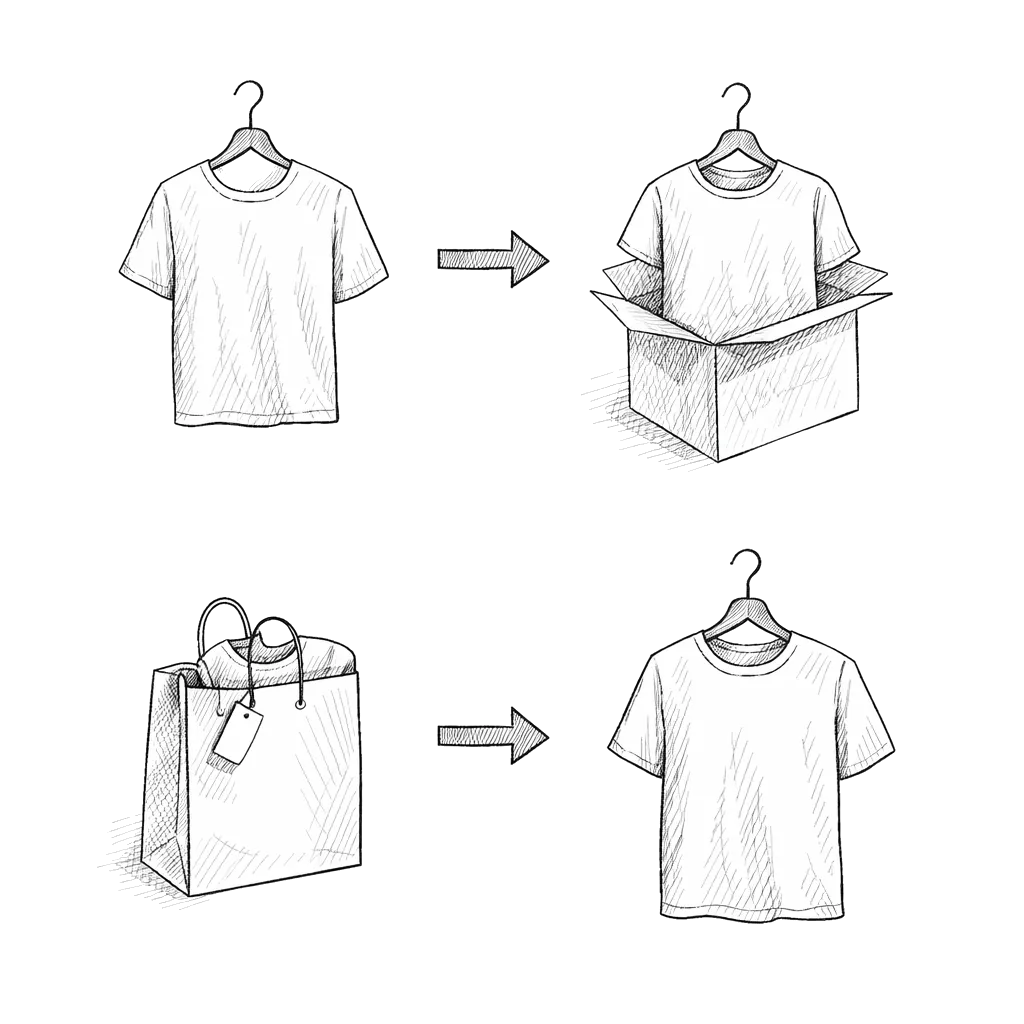
Going on vacation with only your favorite clothes and rather relying on washing over larger quantities made me realize A) I also constantly rotate the same clothes at home B) identifying people by their clothes from yesterday is actually nice C) I'd pack a small container of detergent over 2-3x extra pants and shirts any time
Category: Tools, Gadgets, Parts etc.#
- Put in box and only bring back if really needed.
- Not only will this make actuall need very clear but also where there were needed.
- Restriction fosters creativity to use existing things for more use cases.
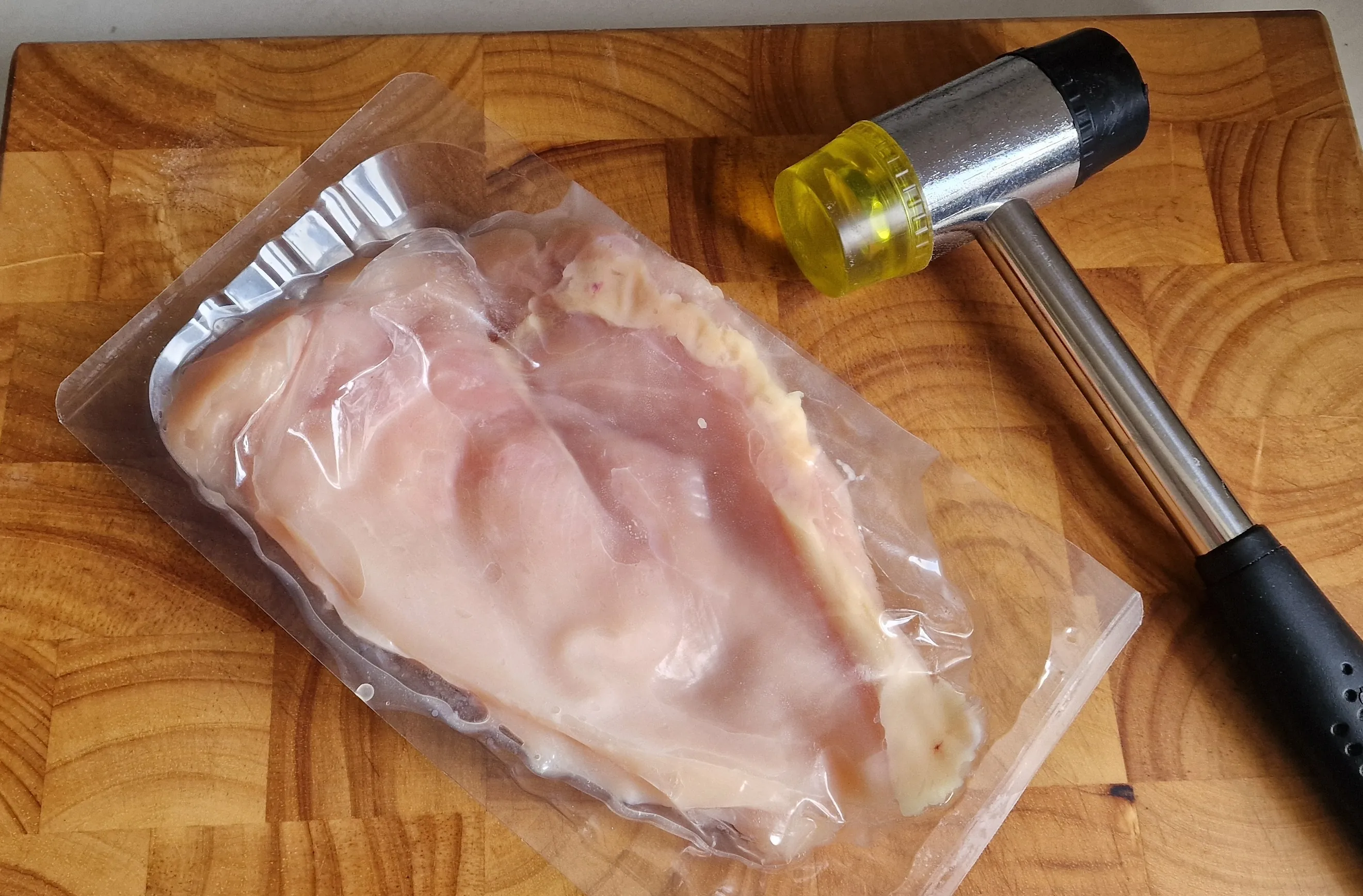
- Only very few tools are needed to cover most use cases for at least 80% of outcome quality.
That's were I don't regret my experience from experimenting with so many (often low quality) tools. Multi-use tools are often advocated by minimalists to save space, but I feel that's often just a convenient excuse for having additional functions "just in case" again. Specialised tools might provide superior utility in that one usecase that matters most to you - it's highly individual.
Category: Digital#
- Fewer files, accounts, subscriptions, etc.
- Prefer desktop (produce) over mobile (consume).
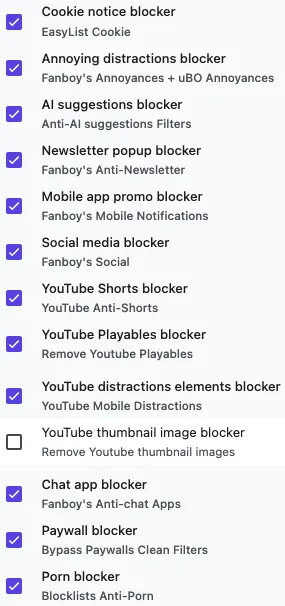
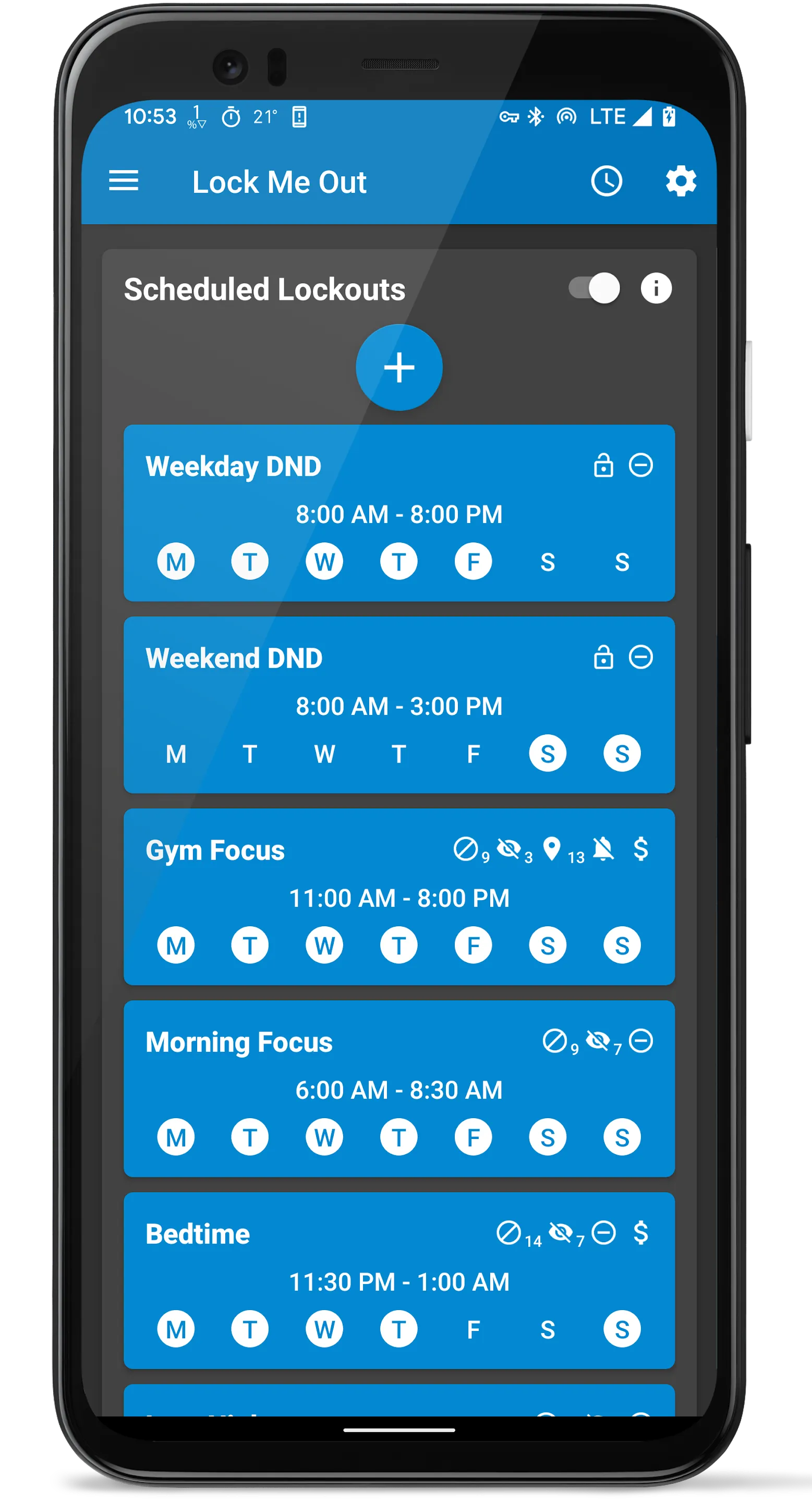
Lockouts: Automate discipline.
- Router/browser filters for social media, etc.
- Bedtime: turn router Wi-Fi off & use desktop shutdown/mobile lockout.
Category: Decoration and Sentimental Items#
- Decoration: give yourself 2-8weeks to appreciate the gained space and let "loss of cosiness" fade away.
- Sentimental: take a photo and then put the thing away. After 1 year, check if the photo is enough.
Minimalist Buying: keeping it clean#
- Delay purchases: wishlist first, wait a few days/weeks.
- Buying solutions to problems, e.g. what annoys you daily, makes you a lot happier than buying "new possibilities" etc.
- Would you buy it at a much higher price?
- 1-in-1-out (similar item!) prevents future clutter.
- Try a no-buy-month: learn satisfaction and creative alternatives

References and Influences#
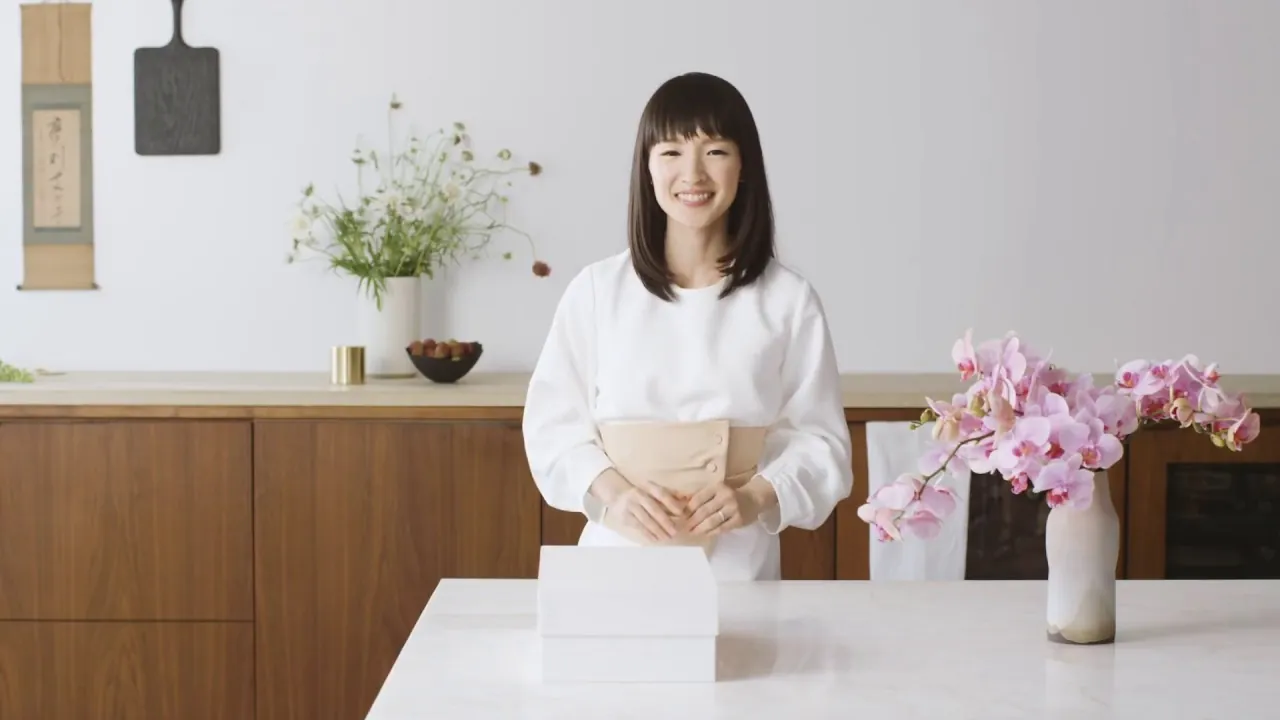
Marie Kondo#
https://www.youtube.com/watch?v=FipZIrwtADg
"Does it bring joy?"
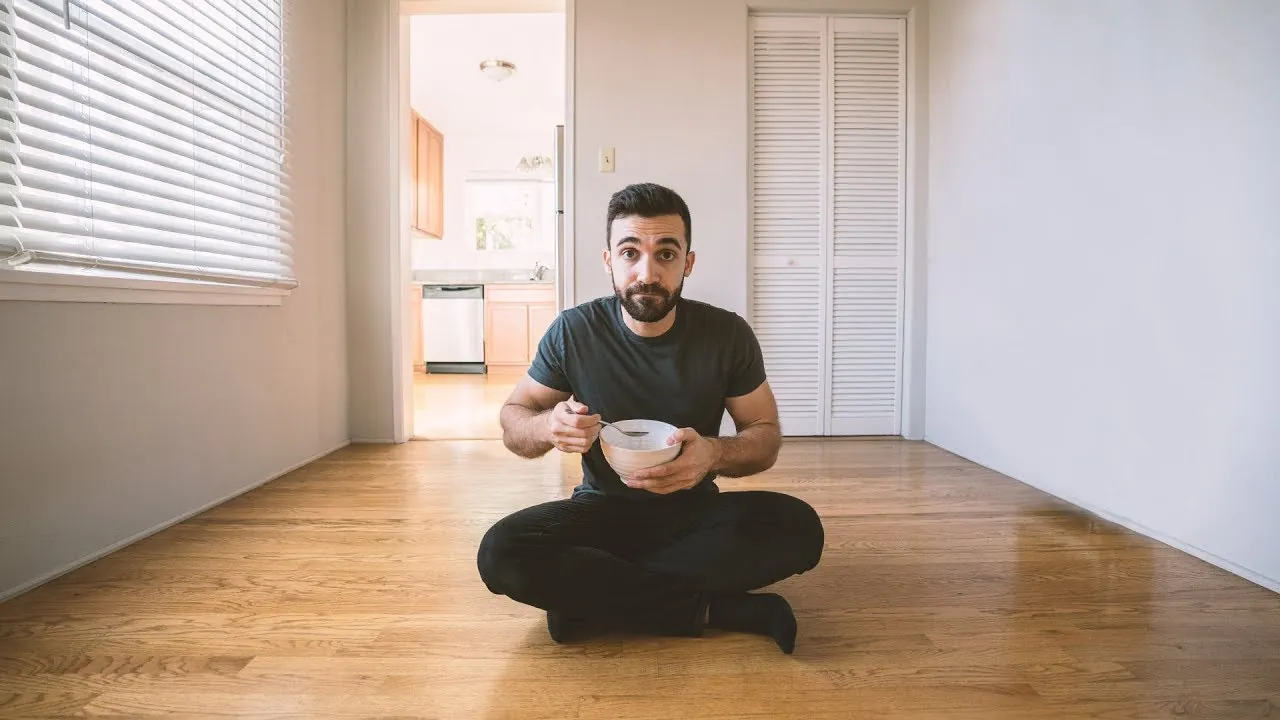
Matt D'Avella#
https://www.youtube.com/watch?v=tG2GJZcBKOE
"What about things that bring you joy?" - "I got rid of that as well."
Joseph DeChangeman#
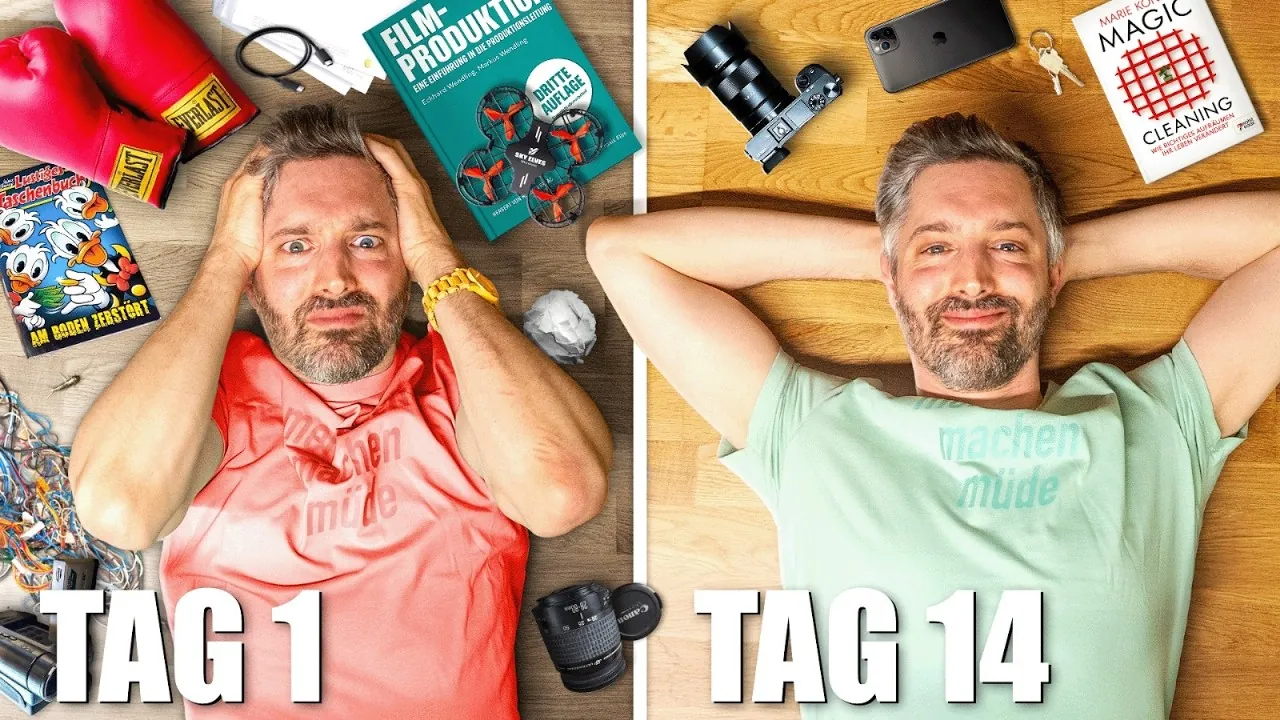
https://www.youtube.com/watch?v=boYThAjUmsk
Real talk on the emotional impact of going minimalist as a former hoarder
Samurai Matcha#
https://www.youtube.com/watch?v=0yiheVIx-X4
1 item per day for 30 days challenge: fastest possible path to extreme minimalism and appreciation of what one owns
sibu#
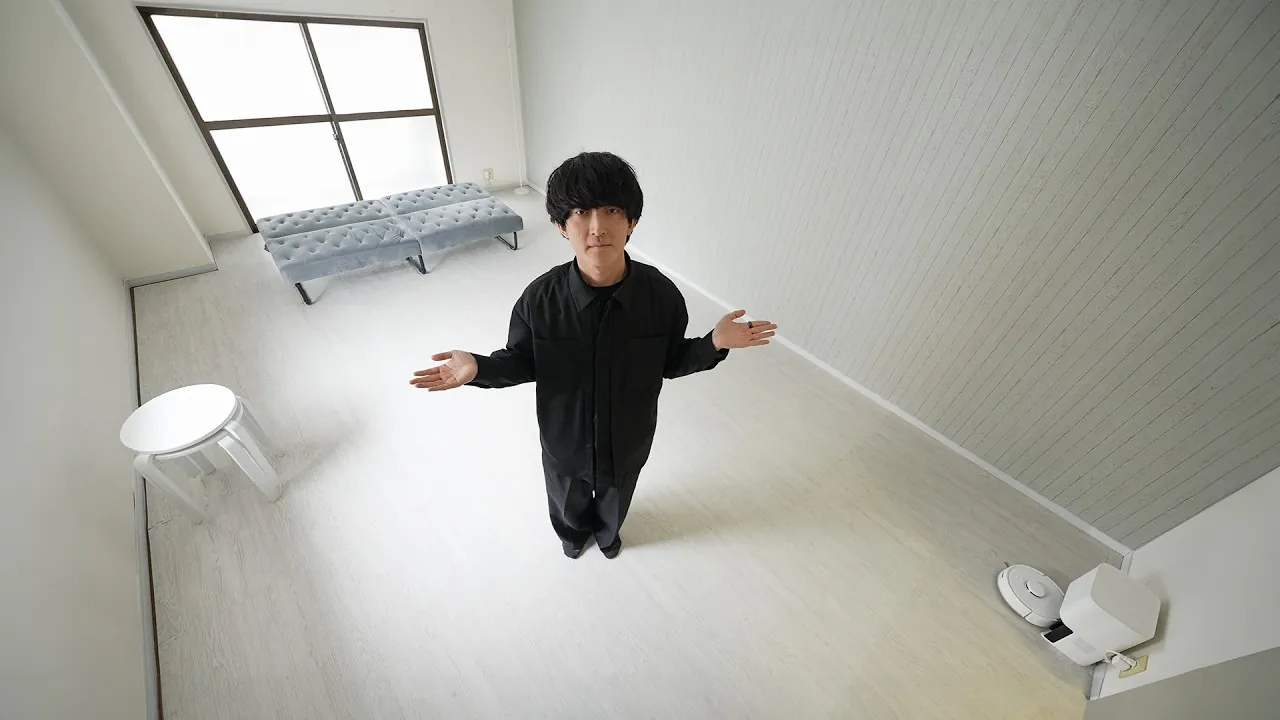
https://www.youtube.com/watch?v=XBQBKseozuY
Extreme minimalist non-nomad
Exploravore#
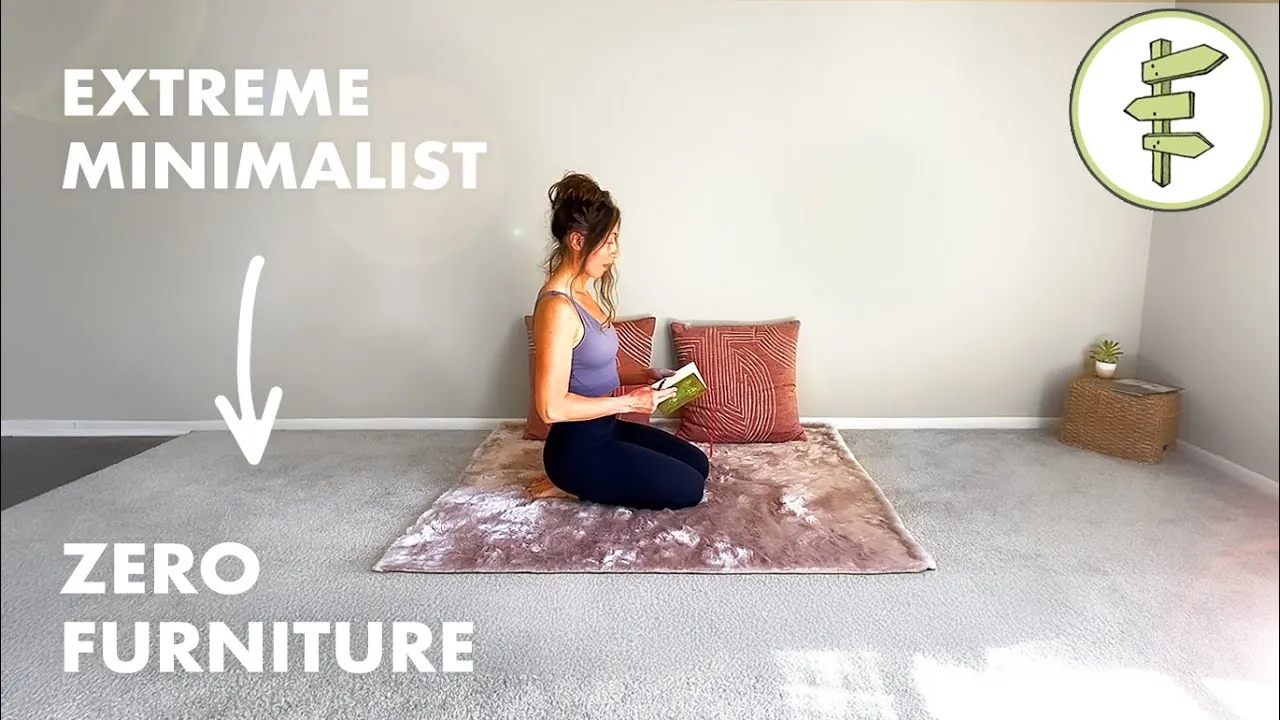
https://www.youtube.com/watch?v=6sRUzYVyqjM
Extreme minimalist semi-nomad
Rob Greenfield#
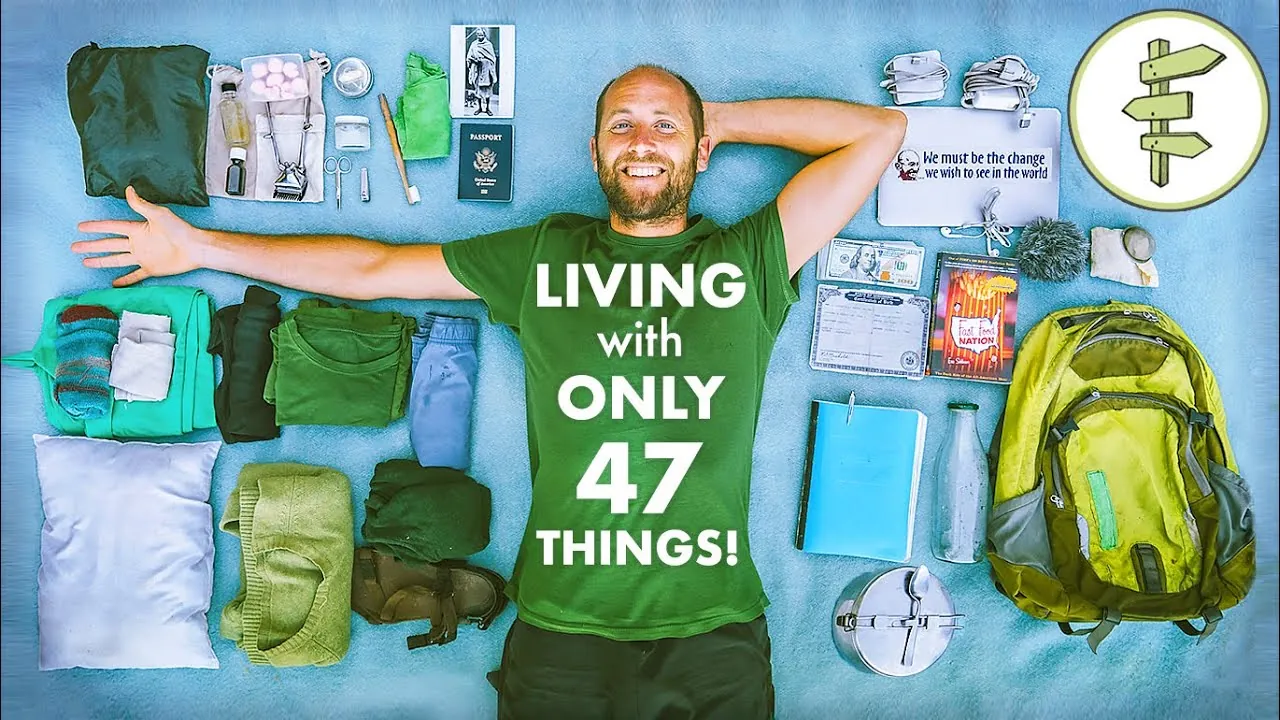
https://www.youtube.com/watch?v=3zO3xUg157c
Extreme minimalist nomad
Cédric Waldburger#
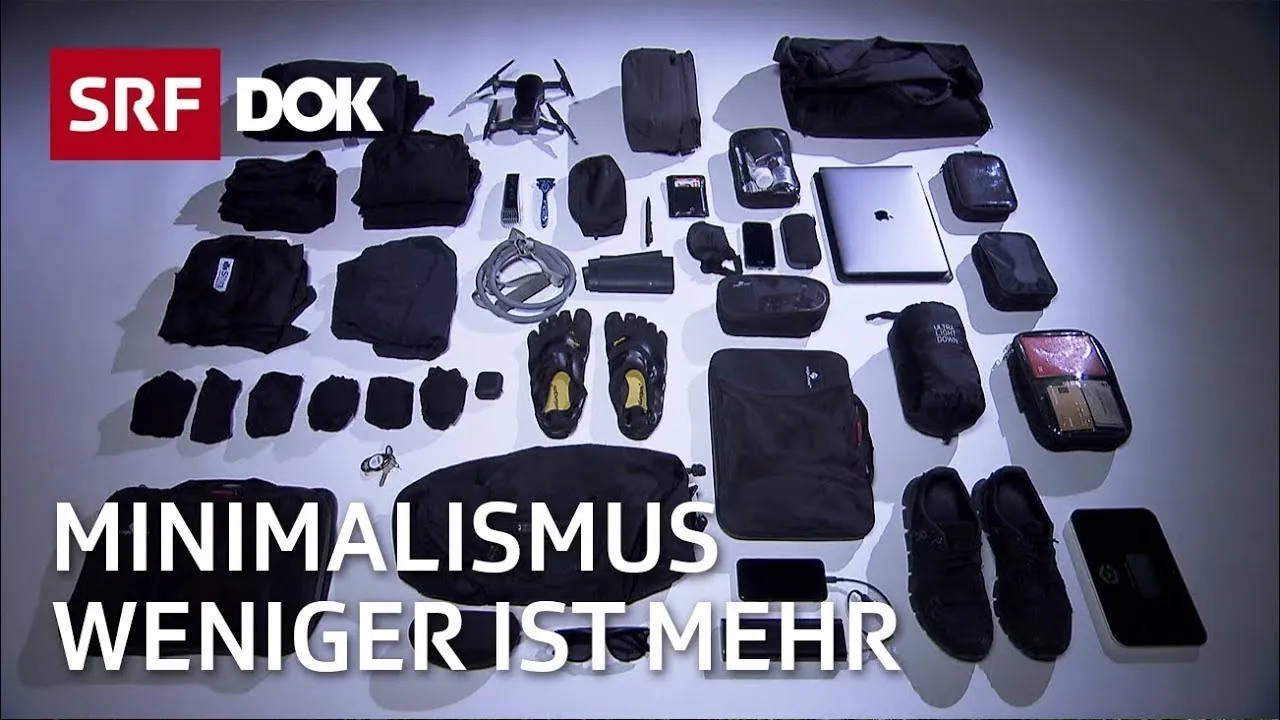
https://www.youtube.com/watch?v=QuaxNucYQtg
Extreme minimalist nomad millionaire